By Ajung Sojwal
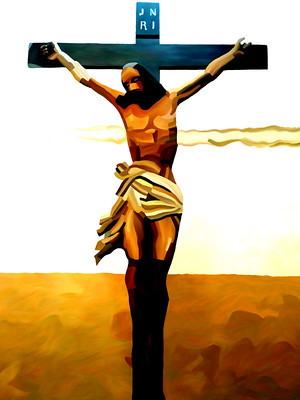
On the Tuesday of Holy Week every year, when clergy come together with the Bishop to reaffirm our Ordination Vows at the Chrism Mass, time is set aside before the worship service for any clergy to meet with the Bishop for the Reconciliation of a Penitent — a “sacramental rite in which those who repent may confess their sins to God in the presence of a priest and receive the assurance of pardon and the grace of absolution” (An Episcopal Dictionary of the Church).
After years of serving several churches as interim priest, I was finally called as rector to a church in 2019. To begin this new call, I thought it necessary to interrogate the state of my soul. In the process of examining my soul of things I had made room for, lurking inside I found a deep resentment toward someone who at one point had spiritual authority over me. It’s easy enough to speak of loving someone, but it’s a totally different matter to engage in reconciliation to the one who I see as having wronged me.
That Holy Tuesday, I found myself desperately needing to believe in the healing I often preach about. As I knelt before the Bishop and confessed the resentfulness harbored in my soul for three long years, allowing it to distort my vision of God’s unconditional love and healing presence, somehow the humility of Jesus in Philippians 2 felt like it could be mine too, someday. It’s humility that comes from the unwavering trust in God’s work of redemption in every human being, even me, even in the one who wrongs me. It’s about hope not just for me but for the other who is a child of God much like me.
Reconciliation of the penitent is more than the confession of wrongdoings or of grudges fostered; it’s coming face to face with my complicity in thwarting God’s unconditional love and healing to transform my stunted vision of redemption. To open myself to God’s vision of redemption and reconciliation calls for that kind of Philippians 2 humility where I am challenged to believe in the unwelcome scenario of God’s saving works in those who wrong me, or those who don’t believe in the same things as I do. Only when I intentionally begin to live as one who is no better or no worse than any other person before God can I hope to reflect Christ’s genuine humility in me.
True humility, I believe, leads to the embrace of our collective experience of being wounded as well as wounding others, and still being able and willing to see the holy image of God in each other. It’s in my practice of recognizing God’s image in the other that my hopes for healing reside. It’s humility that shows me God’s redeeming work of becoming manifest in every human being, including the ones who live beyond the periphery of my imagination of the Holy.
Ajung Sojwal has been called as the next Priest-in-charge of All Saints Church, Palo Alto, CA. She takes charge of the church on March 1st, 2023.



 aawolsisters.com
Leave a comment